
If you manage a coastal property in South Florida, stucco damage can be easy to underestimate. A crack near a window, peeling paint, or a stained section of wall may look like something that only needs a patch and a fresh coat of paint.
But when the same areas keep cracking, staining, or deteriorating after repairs, you are no longer dealing with appearance alone. Something may be allowing moisture in, affecting the material behind the stucco, or causing the repair to fail again.
Before you move forward with stucco repair in Miami, FL, you need to understand when a surface repair is enough and when the damage points to a larger exterior restoration issue. This blog will show you what to look for, what can cause stucco to fail on coastal buildings, and what should be addressed before the wall is repaired and refinished.
What Causes Stucco Damage in South Florida?
Stucco can deteriorate for several reasons, and more than one may affect the same building.
Water Intrusion
Moisture is one of the most important conditions to investigate.
Water can enter through cracks, failed joints, windows, doors, parapets, roof connections, balconies, or other openings.
Once behind the exterior finish, moisture can contribute to staining, peeling coatings, loose stucco, deterioration of underlying materials, and recurring interior leaks.
Replacing the damaged stucco without correcting the entry point can allow the new repair to deteriorate again.
Cracking and Building Movement
Stucco can crack because of material shrinkage, thermal movement, building movement, aging, or conditions within the wall assembly.
The presence of a crack does not automatically mean a structural problem exists.
Its pattern matters.
A small stable crack may require a different response than a diagonal crack near a window, a crack that continues widening, or one that reappears after repeated repairs.
Recurring cracking should be investigated rather than continually covered.
Failed Window and Door Perimeters
Windows and doors interrupt the exterior wall system and can become vulnerable locations for water entry.
Sealants age. Cracks develop where different materials meet. Previous window replacements can also leave transitions requiring repair.
When stucco damage repeatedly occurs around an opening, the surrounding perimeter and water-management details should be evaluated along with the stucco.
Balcony and Roof Transitions
Stucco problems can originate outside the wall itself.
A failed balcony coating may direct moisture into an adjoining wall. A parapet or roof-to-wall transition can allow water to enter near the top of the building and travel downward.
This explains why the visible stain may appear far from the actual exterior opening.
Restoration planning should consider adjoining systems when the damage pattern suggests a larger building-envelope issue.
Warning Signs That Stucco Needs Repair
Property managers and condo boards can identify several conditions that deserve professional evaluation.
Growing or Recurring Cracks
A crack that keeps returning after repair can indicate that the original cause remains active.
Movement, moisture, or deterioration beneath the surface may need to be addressed before another patch is installed.
Hollow or Bulging Stucco
Stucco can lose its bond to the underlying substrate before it falls from the wall.
Sections may bulge outward or sound hollow when appropriately evaluated.
The affected area can be larger than the visible crack because surrounding material may already have separated.
Peeling or Blistering Coatings
Paint failure may indicate poor surface preparation, an aging coating, or moisture moving behind the finish.
Repeatedly painting the same damaged area without investigating the substrate can hide the condition temporarily without correcting it.
Water Stains and Efflorescence
Persistent discoloration can provide clues about moisture movement.
White deposits may develop where water moves soluble salts toward the surface.
The staining itself can often be cleaned, but cleaning does not stop the moisture source.
Rust-Colored Staining
Brown or orange stains near concrete components, balconies, cracks, or penetrations can indicate corrosion of metal within or beside the wall assembly.
If reinforced concrete is deteriorating behind the exterior finish, concrete restoration may need to occur before the stucco is rebuilt.
Falling Stucco
Pieces separating from an elevated façade create a potential hazard below.
Entrances, sidewalks, pool decks, balconies, and parking areas may need temporary protection while loose material is evaluated.
Why Coastal Exposure Matters
Miami buildings face repeated combinations of rainfall, humidity, sunlight, wind, and salt exposure.
These conditions make exterior maintenance particularly important.
Wind-driven rain can push water against walls and openings that remain dry during lighter rainfall. Airborne salts can increase corrosion concerns when moisture reaches susceptible metal or reinforced concrete.
Exterior coatings and sealants also age under strong ultraviolet exposure and heat.
The repair strategy should therefore consider what the building will continue facing after the stucco is restored.
Is Stucco Damage Cosmetic or More Serious?
Some stucco damage is primarily cosmetic.
A limited impact defect may require a localized patch when the surrounding wall remains sound.
Other conditions indicate a broader building-envelope problem.
Widespread cracking, repeated leaks, loose material, failed coatings, deteriorated sealants, and damage around windows or balcony connections deserve more investigation.
The objective is to determine whether the repair involves only the finish or whether other systems must be corrected first.
How Is Damaged Stucco Repaired?
The exact procedure depends on the wall system and cause of deterioration, but effective restoration follows a logical sequence.
Determine the Cause
The repair team evaluates cracking, staining, loose material, nearby joints, windows, balconies, roof transitions, previous repairs, and other conditions that may explain why the stucco deteriorated.
When moisture is involved, the likely water-entry path should be addressed before the wall is closed.
Remove Unsound Material
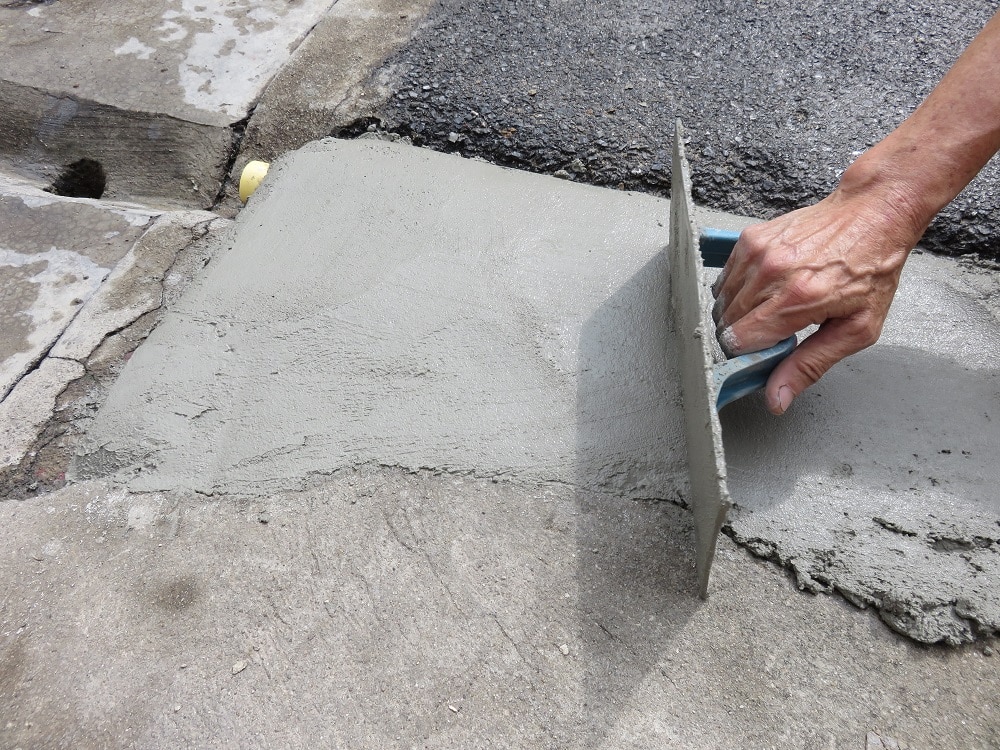
Loose or poorly bonded stucco needs to be removed back to a suitable substrate.
The repair area may grow once work begins because material surrounding the visible damage can also be unsound.
Boards should understand how these additional quantities will be documented and priced.
Repair the Substrate
Removing damaged stucco can reveal problems underneath.
The contractor may find concrete deterioration, corroded reinforcement, damaged lath, cracks, failed waterproofing, or other substrate conditions.
These problems should be corrected appropriately before the new exterior finish is installed.
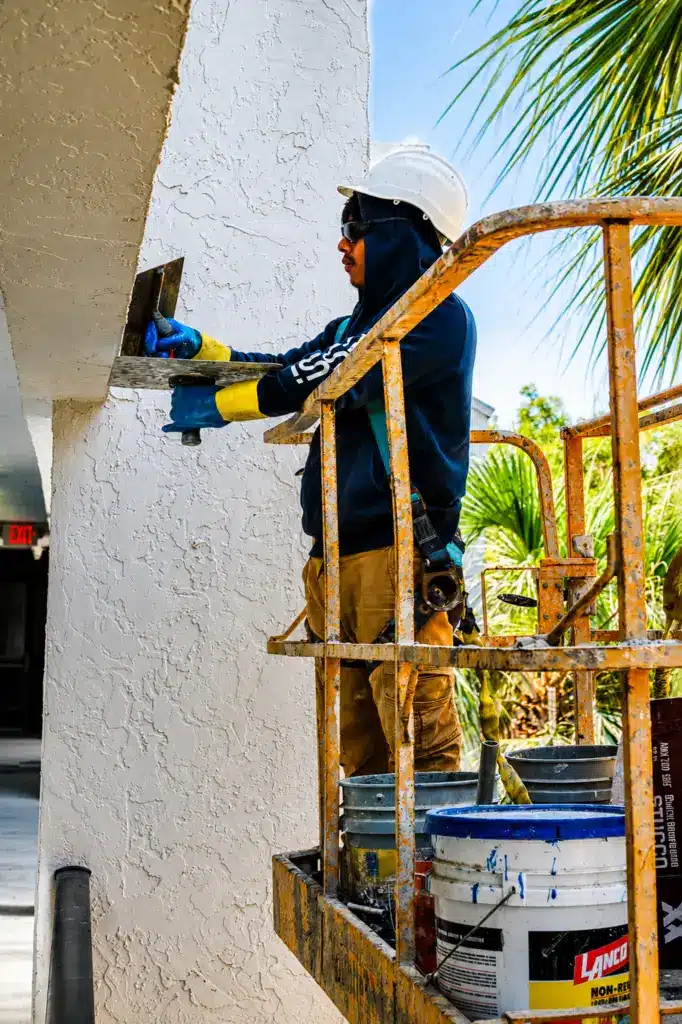
Restore the Stucco and Protective Finish
Once the substrate is ready, the stucco can be rebuilt using materials appropriate for the existing system.
Thickness and texture may need to be matched so the repair integrates with the surrounding façade.
After curing, the specified exterior coating or protective system can be installed.
Painting should therefore be the finishing step rather than the first attempt at repair.
Why Stucco and Waterproofing Often Belong in the Same Project
A wall repair can fail even when the new stucco itself was installed properly if moisture continues entering through a nearby joint, balcony, window, or parapet.
For this reason, larger façade restoration projects often combine stucco repair with sealants, waterproofing, concrete restoration, and exterior coatings.
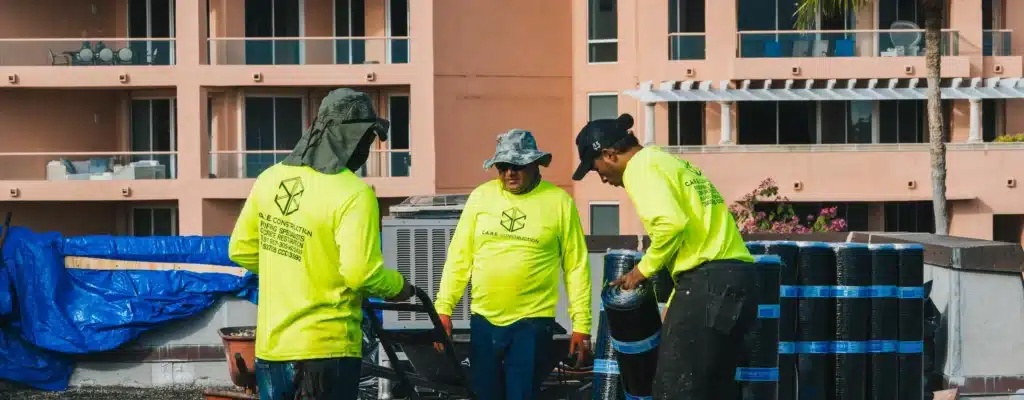
C.A.R.E. Construction’s building-envelope services include stucco repair, waterproofing, high-rise and commercial painting, concrete restoration, balcony repairs, roofing, and related exterior work.
Coordinating those systems can make it easier to address the source of deterioration before rebuilding the finish.
Localized Repair or Full Façade Restoration?
Not every crack requires an entire building to be re-stuccoed.
Localized repair may be appropriate when damage is limited and surrounding material remains well bonded.
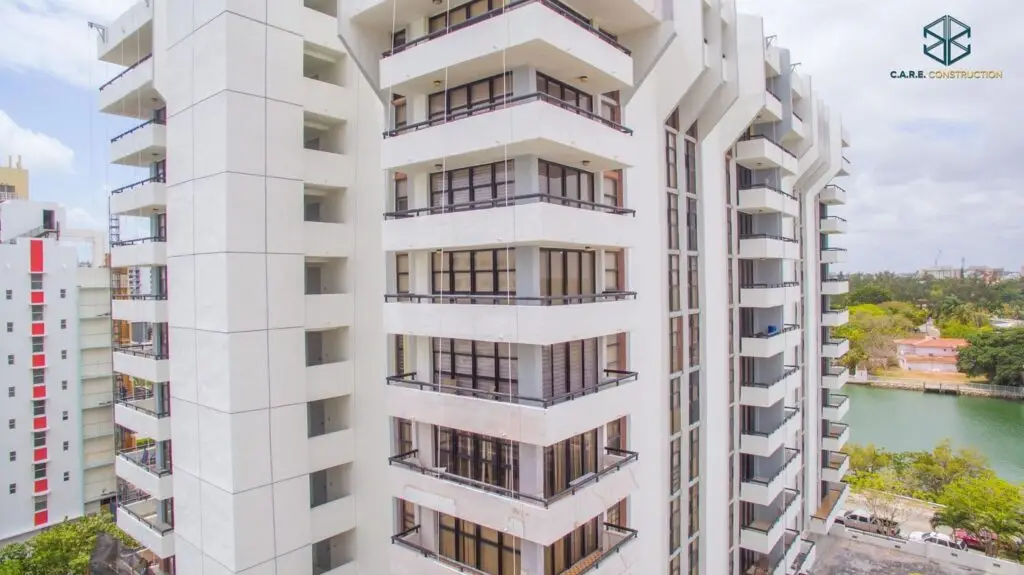
A broader façade restoration may make more sense when there is widespread cracking, numerous hollow areas, repeated leaks, failed coatings, or deterioration across several elevations.
Boards should also consider exterior access costs.
Repeatedly mobilizing high-rise equipment for small groups of repairs can become expensive compared with completing a coordinated restoration program.
Restore More Than the Visible Surface
Effective stucco repair in Miami, FL requires understanding why the exterior failed.
A crack may be connected to movement. Peeling paint may indicate moisture. Loose stucco may conceal damaged concrete. A recurring stain may originate at a balcony, window, parapet, or roof transition.
Repairing the underlying condition before restoring the finish gives the project a better chance of lasting.
C.A.R.E. Construction provides stucco repair and exterior restoration services for South Florida condominium associations, commercial properties, and property managers. Services include stucco restoration, waterproofing, concrete repair, exterior painting, balcony restoration, roofing, and related building-envelope work.
If your building has cracked or loose stucco, recurring leaks, failed coatings, or façade deterioration, contact C.A.R.E. Construction to assess the affected areas and determine the appropriate restoration scope.
Frequently Asked Questions About Stucco Repair in Miami, FL
What are the most common signs that stucco needs repair?
Common warning signs include cracks, peeling or blistering paint, hollow-sounding areas, bulging sections, water stains, efflorescence, rust-colored staining, and pieces of stucco separating from the wall. Recurring damage after previous repairs can also indicate an unresolved moisture or movement problem.
What causes stucco to crack on South Florida buildings?
Stucco can crack because of shrinkage, building movement, thermal expansion, moisture exposure, aging materials, or deterioration in the wall assembly behind it. Coastal buildings may also experience additional stress from heavy rain, high humidity, wind-driven rain, and salt exposure.
Can water get behind stucco?
Yes. Water can enter through cracks, failed sealants, windows and doors, parapets, roof transitions, balconies, joints, and other weaknesses in the building envelope. Once moisture gets behind the stucco, it can contribute to staining, coating failure, loose material, and deterioration of the underlying substrate.
Can damaged stucco simply be patched and painted?
Sometimes localized damage can be repaired with a targeted patch, but patching and painting may not provide a lasting solution if the underlying cause is still active. Moisture intrusion, structural movement, failed waterproofing, damaged concrete, or loose surrounding stucco should be addressed before the final finish is restored.
How do you know if stucco is separating from the wall?
Loose stucco may bulge, crack, or sound hollow when evaluated using appropriate sounding methods. The visible damaged section may be smaller than the area that has actually lost its bond, which is why the repair boundary can expand after loose material is removed.
Is stucco damage a structural problem?
Not always. Some stucco deterioration is limited to the exterior finish. However, damage associated with structural cracks, spalled concrete, corroded reinforcement, balconies, beams, columns, or other structural components may require evaluation by a qualified architect or engineer.
Why does stucco damage keep coming back after repairs?
Recurring stucco damage often means the original repair addressed the surface without correcting the underlying cause. Ongoing water intrusion, building movement, failed joints, poor substrate preparation, incompatible materials, or deterioration behind the stucco can cause repaired areas to crack or separate again.
Does stucco repair in Miami, FL require waterproofing?
It depends on the cause of the damage. When moisture intrusion contributes to stucco deterioration, waterproofing, sealant replacement, crack repair, or correction of nearby wall transitions may need to be included in the restoration scope. Repairing the stucco alone may not stop the water from returning.
Should cracked stucco around windows be repaired differently?
Cracking around windows should be evaluated carefully because window perimeters are common locations for water intrusion. The repair may need to address sealants, flashing, surrounding wall conditions, or transitions between different materials in addition to the visible stucco crack.
Is it better to repair damaged stucco or re-stucco the entire building?
The answer depends on the extent of deterioration. Localized damage may only require targeted repairs, while widespread cracking, loose material, recurring leaks, failed coatings, or deterioration across multiple elevations may make a larger façade restoration more practical.
Can coastal salt exposure damage stucco?
Salt exposure can contribute to deterioration when moisture and chlorides reach susceptible materials behind or adjacent to the stucco, including reinforced concrete and metal components. Coastal conditions make moisture control and maintenance especially important for Miami and South Florida properties.
How long does stucco repair take on a condo or commercial building?
The schedule depends on the size of the repair area, building height, access requirements, hidden deterioration, waterproofing work, concrete repairs, curing requirements, coatings, and weather. High-rise or building-wide restoration projects require significantly more coordination than a small localized repair.