A commercial roof does not fail overnight. In most cases, the problems that lead to expensive repairs or premature replacement begin as small, easy-to-miss issues: a slightly separated seam, a clogged drain, a small area where flashing has begun to lift. Without a professional roof inspection on a regular schedule, those issues stay hidden until they become something far more serious and far more costly.
For commercial property owners and managers in Hollywood, FL, the stakes are higher than in most parts of the country. Broward County’s combination of intense UV exposure, year-round humidity, and an active hurricane season between June and November creates conditions that accelerate roofing deterioration faster than average. What might take ten years of wear to appear in a northern climate can surface in two to three seasons here.
Regular professional roof inspection services are one of the most straightforward ways to protect your investment, stay ahead of code requirements, and avoid the kind of disruptions that hurt your tenants and your bottom line. This post walks through five concrete benefits of roof inspections that every Hollywood commercial property owner should understand.
1. Early Detection of Roof Damage Before It Escalates
The most immediate benefit of scheduling regular professional roof inspections is catching roof damage early, before it spreads into surrounding materials and becomes a structural or interior problem.
South Florida roofing systems face a specific and consistent set of threats. UV radiation breaks down roofing membranes over time, causing them to become brittle and prone to cracking. Thermal cycling, the daily expansion and contraction of roofing materials due to temperature swings, stresses seams and flashings. Heavy rainfall and wind-driven debris during storm season can puncture membranes or displace edge metal. Salt air from the nearby Atlantic accelerates corrosion in metal components.
A trained roof damage inspection identifies all of these issues at their earliest stage. Membrane blistering, for example, is a warning sign that moisture or air has become trapped beneath the roofing surface. Left unaddressed, it leads to membrane failure and water intrusion. Caught during an inspection, it is a manageable repair.
The cost difference between addressing a minor repair and dealing with full-scale water intrusion into insulation, decking, or interior systems is substantial. In most cases, the cost of a professional roof inspection is recovered several times over the first time it prevents a major repair event.
2. Extended Roof Lifespan and Better Return on Investment
Commercial roofing systems represent a significant capital investment. Depending on the roof size, system type, and materials used, a commercial roof replacement in South Florida can run well into six figures for larger properties. Protecting that investment through consistent maintenance and inspection is not just good practice. It is sound financial management.
Most commercial roofing systems are rated for 15 to 25 years or more under normal conditions. In South Florida’s climate, roofs that go without regular attention often fall short of that rated lifespan. Conversely, well-maintained roofs that receive professional roof inspections on a defined schedule routinely reach or exceed their expected service life.
This is one of the most underappreciated benefits of roof inspections: the money saved is largely invisible. There is no dramatic event, no repair bill to point to. The roof simply continues performing the way it should, year after year, because problems were identified and corrected before they had the chance to compound.
For property managers working within annual budgets, this predictability has real value. A documented roof condition inspection history allows for more accurate capital planning and removes the uncertainty of not knowing what the roof may need in the next one to three years.
3. Protection Against Storm Season and Insurance Implications
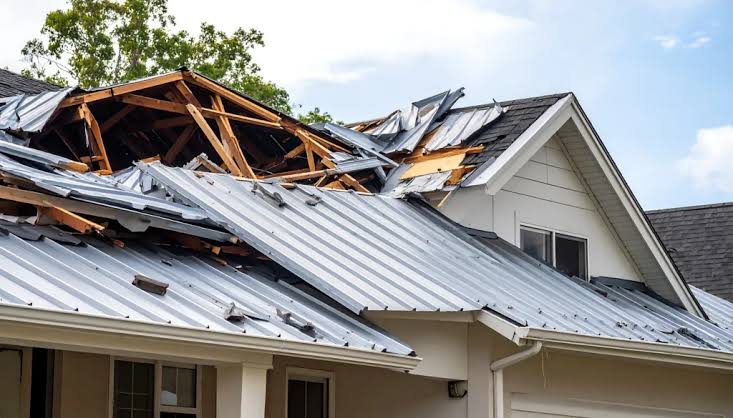
Hurricane season in South Florida is not a hypothetical risk. It is a recurring reality that every commercial property owner in Hollywood, FL has to plan around. Between wind uplift, heavy rain, and flying debris, a single storm event can expose weaknesses in a roofing system that were not visible before. When those weaknesses already exist due to deferred maintenance or missed inspections, the damage is typically worse.
Regular professional roof inspections help property owners enter storm season with a clear picture of their roof’s condition. Inspectors evaluate wind uplift resistance, the integrity of edge metal and copings, and the condition of fastening systems. Any pre-existing vulnerabilities are identified and can be addressed before severe weather arrives, rather than discovered after the fact during a claim.
From an insurance standpoint, a documented record of professional roof inspection services can strengthen a property owner’s position in several ways. It demonstrates that the property has been actively maintained, which can support claims when storm damage does occur. Some insurance carriers factor maintenance history into their underwriting decisions at renewal. In the event of a disputed claim, inspection records provide evidence that damage was storm-related rather than the result of neglect.
This does not mean inspections eliminate all insurance risk. But they do reduce exposure and create documentation that works in the property owner’s favor.
4. Compliance Support for Florida’s 40-Year Recertification Requirements
One of the most pressing regulatory concerns for commercial property owners in Broward County is the 40-year recertification requirement. Under Florida building codes and local ordinances, buildings reaching their 40th year of service are required to undergo structural and electrical milestone inspections. Buildings that fail to meet code requirements face penalties and are required to make corrections before recertification is granted.
Roof condition is a central component of this process. A roof with deferred maintenance, unaddressed damage, or deteriorating components is likely to generate findings during a milestone inspection that require remediation. This can delay recertification and create significant unexpected expenses for property owners who have not been keeping pace with their building’s maintenance needs.
Regular roof condition inspections create a running record of the roof’s health over time. For buildings approaching their 40-year mark, that documentation is valuable. It demonstrates to inspectors that the property has been maintained responsibly and reduces the likelihood of major deficiencies appearing as surprises during the recertification process.
For newer buildings, the same principle applies to the 25-year or other interim inspection thresholds that may apply depending on county and occupancy type. A consistent inspection history keeps the building in a position of compliance rather than one of catch-up.
5. Informed Decision-Making for Capital Planning and Roof Replacement Timing
Eventually, every commercial roof reaches the end of its useful life. The question property owners and their boards face is not whether replacement will be needed, but when, and how to budget for it appropriately. Without current, professional data on roof condition, that decision is often based on guesswork or deferred until the roof forces the issue.
Regular professional roof inspections replace guesswork with documented, objective information. After each inspection, property owners receive a condition report that outlines the current state of the roofing system, identifies any areas of concern, and provides context for how the roof is aging. Over time, this creates a trend line that makes it possible to forecast when replacement will realistically be needed.
This is especially important for HOAs, community associations, and property management companies overseeing multiple buildings. Reserve studies and long-range capital plans depend on accurate information about building systems, including the roof. A roof condition inspection from a qualified commercial roofing contractor provides exactly the kind of third-party professional assessment that reserve planners and lenders require.
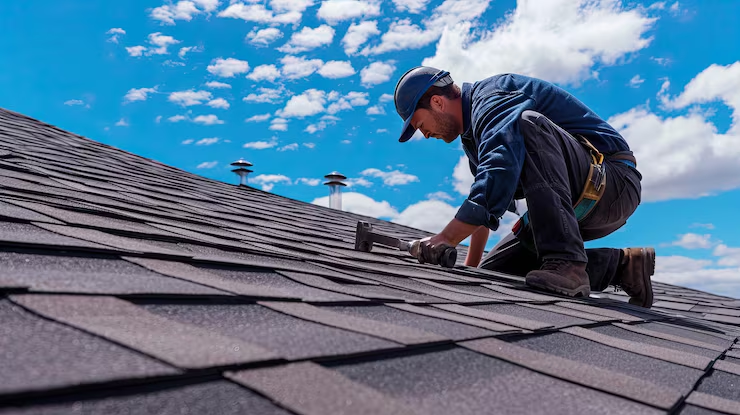
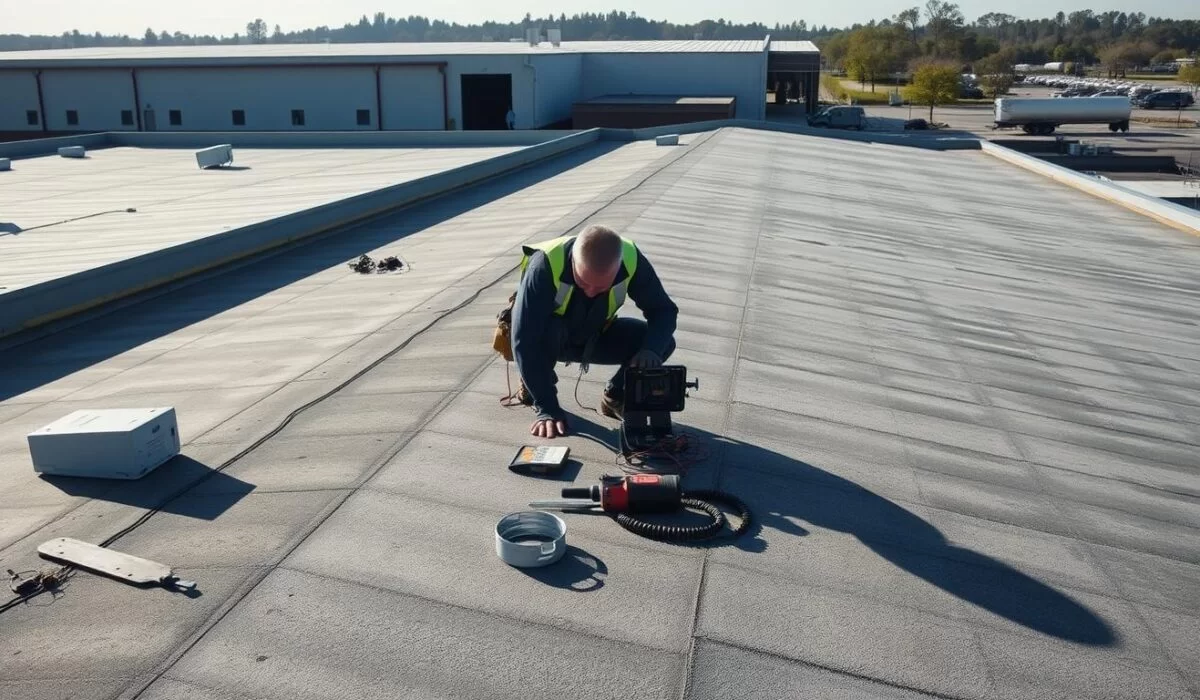
What do roof inspectors look for during these assessments? A comprehensive commercial roof inspection covers surface condition and membrane integrity, drainage system performance, flashing and penetration conditions, edge metal and coping integrity, fastener security, signs of past or active moisture intrusion, and overall wear relative to the roof’s age and system type. That information is then organized into a report that gives property owners a clear, actionable picture of where their roof stands.
How Often Should Commercial Roofs Be Inspected in Hollywood, FL?
The standard recommendation for commercial properties in South Florida is a minimum of two professional roof inspections per year, with the timing aligned to the local storm season. A pre-season inspection in late spring, before June 1, allows property owners to address any vulnerabilities before hurricane season. A post-season inspection in late fall or early winter assesses any damage that may have occurred and helps prioritize repairs heading into the following year.
In addition to scheduled inspections, a professional roof inspection should also follow any significant weather event, such as a named storm, a hail event, or extreme wind. Waiting for visible signs of damage before requesting an assessment can allow hidden intrusion to continue undetected.
Schedule a Professional Roof Inspection with C.A.R.E. Construction
C.A.R.E. Construction Inc. has provided professional roof inspection services and commercial roofing maintenance across Hollywood, FL and the South Florida tri-county area since 2009. Our licensed, insured team understands the specific demands of Broward County’s climate, building codes, and 40-year recertification requirements.
Whether you need a one-time roof condition inspection or a structured commercial maintenance plan, we provide the documentation and hands-on expertise your property deserves.
Call us: 954-551-0057 (Broward) | 305-962-2430 (Miami)
Email: office@careconstructioninc.com
Visit: careconstructioninc.com
Frequently Asked Questions
What do roof inspectors look for on commercial roofs? Professional inspectors evaluate membrane condition, seam and flashing integrity, drainage system function, edge metal and coping security, penetration sealing around HVAC equipment and vents, and any signs of moisture intrusion. They document findings with photos and written reports.
How long does a commercial roof inspection take? The duration depends on roof size and complexity. A straightforward single-story commercial roof may take one to two hours. Larger or more complex roofs with multiple penetrations, drainage configurations, or access points will require more time.
Are professional roof inspections worth the cost? Yes. The cost of a professional roof inspection is consistently lower than the cost of a single emergency repair event, and far lower than the cost of premature roof replacement. For most commercial properties, inspection is the highest-return maintenance activity available.
Can I inspect my own commercial roof? A basic visual check from ground level or safe access points can help property owners stay aware of obvious issues. However, a professional roof damage inspection conducted by a qualified roofing contractor provides a level of detail, documentation, and technical assessment that an untrained observer cannot replicate.