Pricing for commercial roofing is one of the more confusing corners of property ownership. Two buildings on the same block in Hollywood can come back with quotes that differ by tens of thousands of dollars, and unless you know what is driving those numbers, the difference is almost impossible to evaluate.
This is not a sales pitch. It is a straightforward breakdown of the factors that actually determine what commercial roofing costs in South Florida, written for property owners and managers who want to understand the numbers before they start talking to contractors.
The five main drivers are materials, roof size, labor, permits, and weather. Each one is worth understanding on its own terms.
Materials: The Biggest Variable in Any Roofing Quote
Walk through any commercial district in Hollywood, and you will find buildings covered in four or five different roofing systems, sometimes on the same street. The material choice is typically the single largest line item in any roofing project, and the price range across systems is wide.
TPO (Thermoplastic Polyolefin)
TPO has become one of the most widely used systems for flat commercial roofs in South Florida over the past two decades. It reflects UV radiation, which matters considerably in a climate where rooftop temperatures can exceed 170 degrees Fahrenheit during the summer months. Material costs for TPO typically fall between $3.50 and $7.50 per square foot, depending on membrane thickness and manufacturer. Thicker membranes, typically 60 or 80 mil, cost more upfront but hold up better under foot traffic and UV stress.
EPDM (Ethylene Propylene Diene Monomer)
EPDM is a synthetic rubber membrane that has been used on commercial roofs for decades. It performs reliably in a range of climates and is generally less expensive than TPO at the material level, typically $3.00 to $6.50 per square foot. The trade-off is that dark EPDM absorbs heat rather than reflecting it, which can affect building cooling costs in a market like Hollywood, where air conditioning runs nearly year-round.
Modified Bitumen
Modified bitumen systems use asphalt-based sheets reinforced with polyester or fiberglass. They are durable and familiar to most commercial contractors in South Florida. Material costs generally run between $2.50 and $6.00 per square foot. Installation method matters here. Torch-applied systems require more skilled labor than self-adhered or cold-applied alternatives, which affects the overall project cost.
Built-Up Roofing (BUR)
Built-up systems, sometimes called tar and gravel roofs, consist of multiple alternating layers of bitumen and reinforcing fabrics topped with aggregate. They have a long track record and resist puncture well, but they are heavier than membrane systems and require a structural assessment before installation on older buildings. Material costs range from $3.00 to $6.50 per square foot.
Metal Roofing
Metal systems, including standing seam and metal panel configurations, have higher upfront material costs, often $7.00 to $14.00 per square foot or more, but their lifespan is significantly longer than most membrane alternatives. In South Florida, metal roofing also carries wind resistance advantages that are worth factoring into the long-term cost calculation.
Coatings and Restoration Systems
For roofs that are structurally sound but showing surface wear, fluid-applied coatings offer a lower-cost alternative to full replacement. Silicone and acrylic coatings typically run between $1.50 and $4.00 per square foot depending on product, thickness, and how many coats are applied. These are not appropriate for every situation, but for buildings where the deck and insulation are still performing, a coating can extend roof life meaningfully at a fraction of replacement cost.
The material decision is not just about price per square foot. It should account for the building’s use, the roof’s slope and drainage configuration, local wind and weather requirements, energy performance goals, and how long the owner expects to hold the property.
Roof Size: How Square Footage Shapes the Final Number
This one is straightforward, but it deserves more explanation than it usually gets. Commercial roofing is priced in squares, with one square equal to 100 square feet of roof area. A 10,000-square-foot roof is 100 squares.
The per-square cost decreases as the project gets larger, but not linearly. Mobilization costs, equipment rental, and crew setup represent fixed expenses that get spread across more square footage on a bigger job. A 2,000-square-foot roof on a small retail unit will cost more per square than a 15,000-square-foot warehouse roof using the same materials, even though the smaller building looks like the simpler job.
Roof geometry also affects cost in ways that square footage alone does not capture. A roof with many penetrations, unusual angles, multiple levels, or a complex drainage configuration takes more time to work around than a clean, open rectangular surface. The labor required to properly flash and detail each penetration, transition, or elevation change adds up quickly and is reflected in the quote.
For the purposes of rough budgeting, a full commercial roof replacement in South Florida on a mid-size building typically runs between $8.00 and $18.00 per square foot installed, depending on system type, complexity, and current material and labor market conditions. That range is wide because the variables described in this article are wide.
Labor: Why South Florida Expertise Carries a Premium
Labor is the second largest cost component after materials in most commercial roofing projects, and in the South Florida market, qualified commercial roofing labor carries a premium that reflects both the regional demand and the technical requirements of the work.
Florida’s building codes for commercial roofing are among the most stringent in the country. The Florida Building Code includes specific requirements for wind uplift resistance, fastener patterns, membrane attachment methods, and product approvals that are driven by the state’s hurricane risk. Licensed commercial roofing contractors who understand these requirements and install to them consistently represent a different level of competence than those who work primarily in residential or in lower-risk markets.
For commercial roofing in Hollywood specifically, contractors also need to be familiar with Broward County’s permitting and inspection process, local wind speed requirements tied to the county’s wind zone designation, and how these interact with the manufacturer certifications required to maintain product warranties.
Labor costs for commercial roofing projects in South Florida typically run between $3.00 and $8.00 per square foot, depending on system complexity, crew requirements, and project schedule. Emergency or accelerated timelines cost more. Projects that require tear-off and disposal of an existing roofing system add material handling costs that are separate from the new installation labor.
One thing worth understanding about labor costs is that the cheapest quote is rarely the cheapest outcome. Improperly installed commercial roofing fails earlier, often voids the manufacturer’s warranty, and can create liability in the event of a hurricane damage claim where code compliance is scrutinized. The cost of a second installation, or of repairing work that did not hold up, consistently exceeds the savings from choosing the low bidder.
Permits: A Cost That Is Easy to Underestimate
Every commercial roofing project in Hollywood, FL that involves structural changes, full replacement, or significant repairs requires permits from the City of Hollywood Building Services Division. Permit fees are calculated based on project value and scope, and for larger commercial projects, they represent a meaningful line item in the total budget.
Beyond the permit fee itself, the permitting process has indirect cost implications. Plans must be submitted, reviewed, and approved before work can begin. For projects that require engineering documentation, such as those involving structural modifications, new penetrations, or systems that require wind uplift calculations to be stamped by a licensed engineer, there are additional professional fees involved.
Inspection scheduling can also affect project timelines. Work must be inspected at specific stages before proceeding, and inspection availability through the local building department can add days to a project schedule. Contractors who regularly work in Broward County and have established relationships with local inspectors generally navigate this more efficiently than those who work in the market infrequently.
One place where permit costs directly affect project strategy is re-roofing versus overlay decisions. Florida building codes limit the number of roofing layers allowed on a structure. Adding a new roofing layer over an existing system, where allowed, can reduce tear-off and disposal costs but may trigger additional code requirements depending on the building’s age and current system configuration. A permit submission that discloses an overlay on a building that does not meet the conditions for one will require a full tear-off, regardless, which changes the project scope and cost entirely.
Avoiding permits to save money on a commercial roofing project is a serious risk. Unpermitted work creates problems during property transactions, complicates insurance claims, and can result in forced removal and reinstallation at the property owner’s expense if discovered during a code inspection.
Weather: The Factor That Affects Both Timing and Total Cost
South Florida’s weather shapes commercial roofing costs in ways that are not always visible in a line-item quote but are very real in practice.
Hurricane season scheduling
The Atlantic hurricane season runs from June 1 through November 30. Demand for commercial roofing contractors spikes sharply after significant storm events, and material availability can tighten when regional supply chains are stressed by widespread damage. Property owners who plan roofing projects proactively, particularly in the January through April window before storm season, typically have more scheduling flexibility, better contractor availability, and sometimes better pricing than those who are competing for the same resources post-storm.
Flat roof maintenance checklist considerations
South Florida’s rain intensity during storm season creates specific drainage demands on flat and low-slope commercial roofs. Standing water, clogged drains, and overwhelmed scuppers are among the most common causes of preventable roof damage in the region. A flat roof maintenance checklist for Hollywood-area properties should include drain clearing and inspection before June 1 each year, post-storm drainage assessment after any significant rain event, and semi-annual inspection of membrane condition given the accelerated UV degradation that occurs in this climate.
Hurricane roof prep and wind design requirements
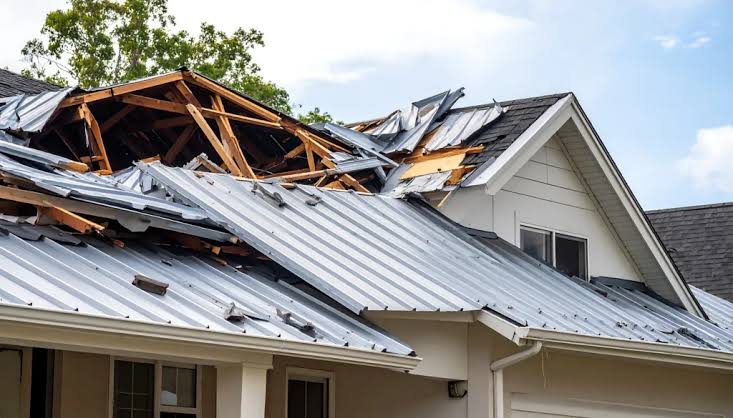
Commercial roofing systems in Broward County must meet Florida Product Approval requirements for wind uplift, which means the system, including fasteners, adhesive, and membrane, must be tested and certified to perform at the wind speeds for the local wind zone. This requirement affects both material selection and installation method. Not every system available nationally is approved for use in South Florida’s high-wind zones, and contractors who specify non-approved products or install approved products incorrectly can leave the building owner exposed to both physical risk and warranty voidance.
Roofing lifespan in South Florida’s climate
Heat, UV radiation, humidity, and storm stress collectively shorten roofing lifespans compared to national averages. A TPO or EPDM membrane rated for 20 to 25 years in a moderate climate may deliver 15 to 20 years in South Florida without diligent maintenance, and less than that with deferred attention. Understanding this at the front end of a roofing investment helps property owners plan capital reserves more accurately and avoid being caught unprepared when a roof reaches the end of its useful life ahead of the nominal schedule.
Roof maintenance in Florida as a cost control strategy
The most consistent finding across commercial roofing cost data is that maintenance spending reduces total roofing cost over time. Catching a seam separation, a failed flashing, or a clogged drain during a scheduled inspection costs a fraction of what it costs after water has migrated into the insulation or decking. Commercial roof upkeep in South Florida is not discretionary. Given the pace at which the climate stresses roofing materials, skipping maintenance visits is effectively accepting accelerated depreciation on a significant capital asset.
Putting the Numbers Together
A property owner in Hollywood trying to budget for commercial roofing needs a realistic sense of what all these factors produce in combination.
For a straightforward re-roof on a 10,000-square-foot single-story commercial building using a standard TPO system, a realistic all-in budget including materials, labor, permits, and tear-off might run between $90,000 and $160,000, depending on site conditions, roof complexity, and current market pricing. That is a wide range, and that is intentional. Projects at the lower end of that range are simpler, with fewer penetrations, straightforward access, and no unusual structural or code compliance considerations. Projects at the higher end involve more complexity, possibly a thicker or higher-performance membrane, a more detailed drainage or flashing scope, and permitting requirements that add time and professional fees.
For larger properties, multi-building portfolios, or structures with more complex roofing systems, getting a reliable budget figure requires a site visit and a thorough roof condition assessment from a qualified contractor. Budget numbers assembled without a site visit are guesses, and in commercial roofing, the gap between a guess and the actual scope can be significant.
Get a Clear, Honest Assessment for Your Hollywood Property
Understanding the cost factors is the first step. Getting an accurate number for your specific building is the second step, and that requires someone who has actually seen the roof.
C.A.R.E. Construction Inc. has been working with commercial property owners and managers across Hollywood, FL, and Broward County since 2009. Our team is fully licensed and insured, familiar with local permitting and code requirements, and experienced across every major commercial roofing system used in South Florida. We do not guess at scope or pad estimates to protect a margin. We assess the roof, explain what we find, and give you a number that reflects the actual work.
Whether you are budgeting for a replacement a few years out, dealing with an issue that needs attention now, or simply trying to understand the current condition of a roof you have inherited with a property, a site visit is the right starting point.
Frequently Asked Questions
What is the average cost of commercial roofing in Hollywood, FL?
For most commercial buildings in the Hollywood area, a full roof replacement runs between $8.00 and $18.00 per square foot installed. The range reflects differences in system type, roof complexity, building size, and current material and labor costs. Getting an accurate number for your specific building requires a site assessment.
Does roof size affect the per-square-foot cost?
Yes. Larger roofs generally cost less per square foot than smaller roofs using the same materials, because fixed project costs like mobilization, equipment, and setup are spread across more area. Roof complexity, including penetrations, multiple levels, and unusual geometry, adds cost regardless of overall square footage.
Do I need a permit for commercial roof repairs in Hollywood, FL?
It depends on the scope of the work. Minor maintenance and small repairs may not require permits. Significant repairs, full replacements, or any work involving structural changes will require permits from the City of Hollywood Building Services Division. A licensed contractor can advise on permit requirements for a specific project.
How does hurricane season affect roofing costs and scheduling?
Post-storm demand can reduce contractor availability and increase pricing. Material supply can also tighten after regional storm events. Property owners who plan proactively in the pre-season window, typically January through April, generally have better access to scheduling, contractor attention, and pricing.
How often should a commercial roof in South Florida be inspected?
The standard recommendation is twice per year, before and after hurricane season. Additional inspections are warranted following significant storm events.